

 contact@tapestodigital.co.uk
 Too busy?
 Back
Back

 What customers say


.png?width=32&height=32&name=laser%20disc%20(1).png)


.png?width=32&height=32&name=Microcassette%20(1).png)


 Digital Services

.webp)
.png)

.png)

%20(70).png)
%20(67)-min.png)
%20(71).png)
%20(1126%20x%20658%20px)%20(480%20x%20448%20px)%20(6).webp)







Celebrating Milestones: Digitising Decades of Family History
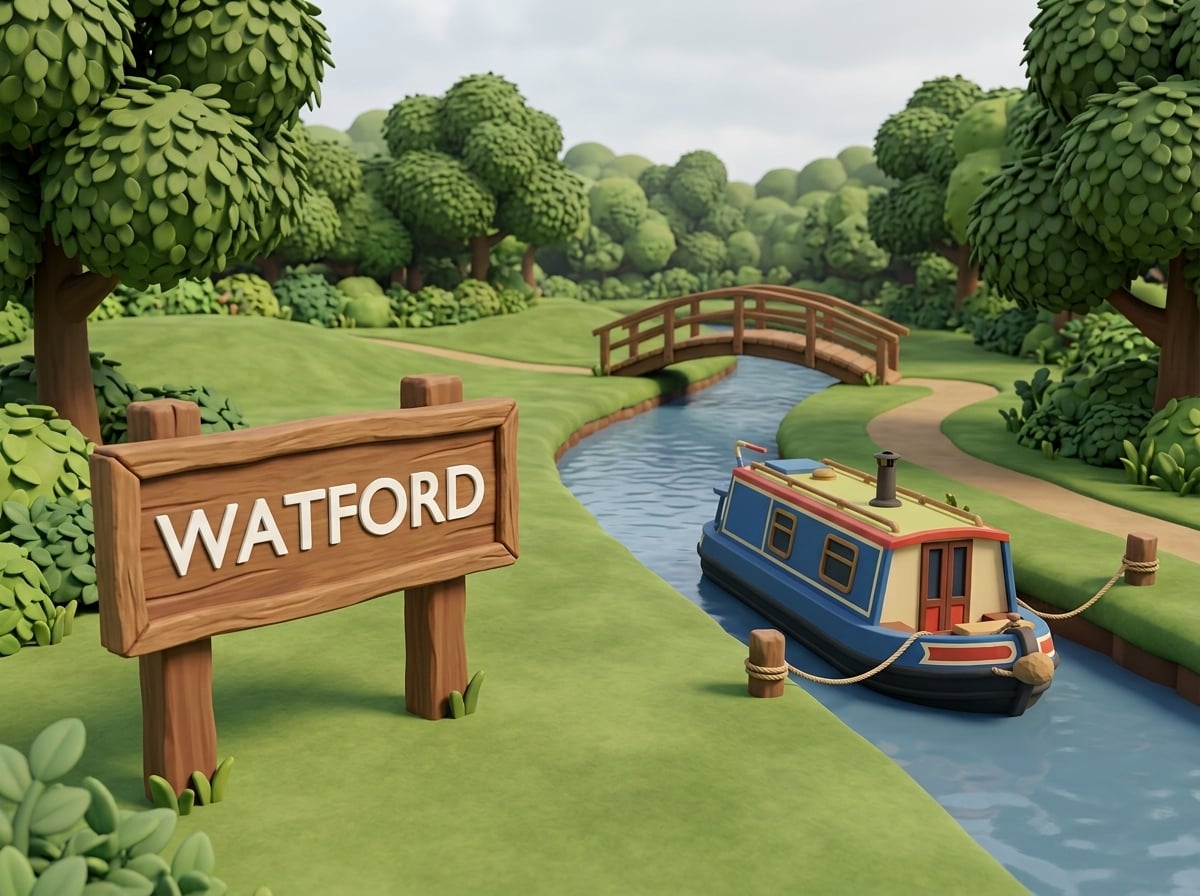
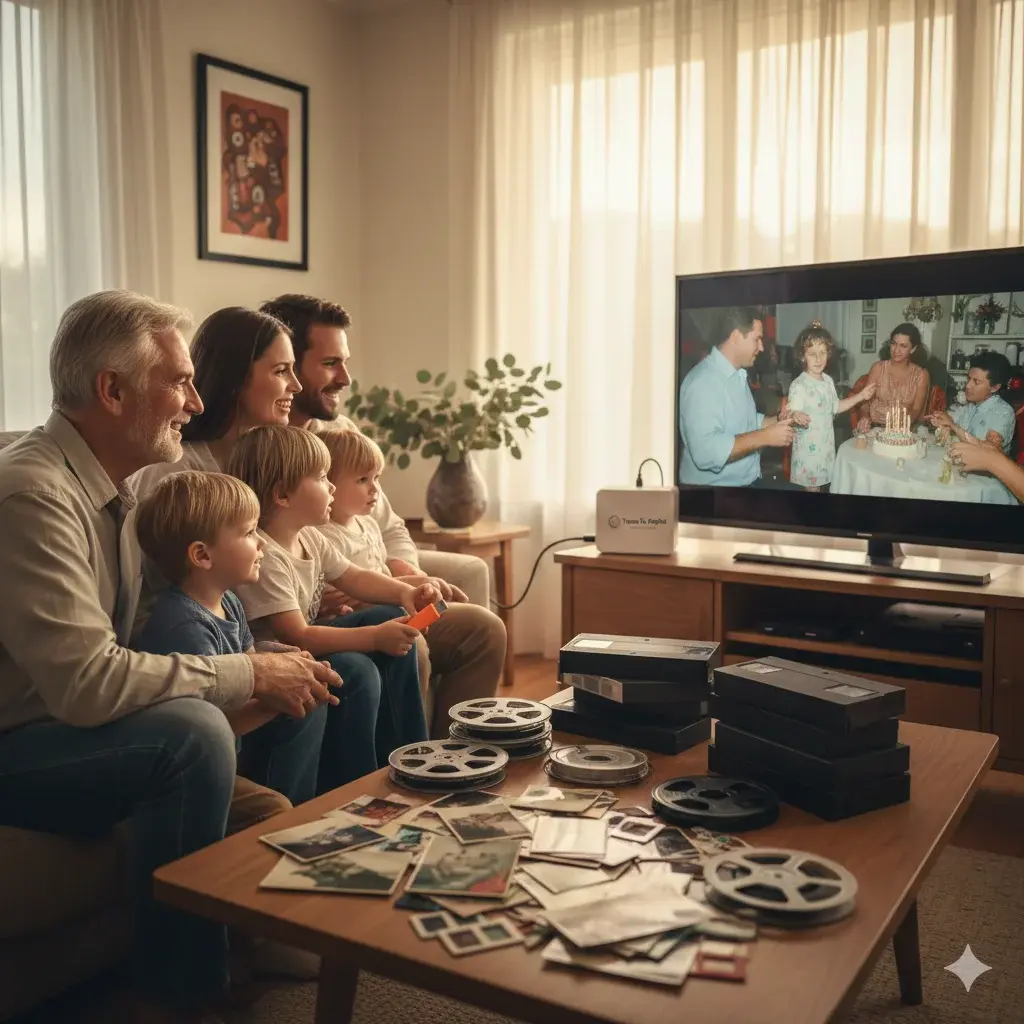
In households across the United Kingdom, from the terraced streets of Watford to the vibrant communities in Leeds, there are boxes tucked away in lofts and under stairs. These boxes hold more than just plastic and magnetic tape; they contain the narrative of a family’s life. Every wedding video, first step, graduation ceremony, and landmark birthday represents a milestone that shaped who you are today.
Digitising these archives is not merely a technical task; it is an act of preservation for your family’s unique heritage. As we move further into a digital-first world, the physical media we once relied on—VHS tapes, camcorder cassettes, and 8mm reels—are becoming relics of a bygone era. By choosing to transfer VHS to digital, you ensure that these golden moments are accessible for the next generation to witness and cherish.
The Silent Threat to Analogue Archives
While it is tempting to believe that our memories are safe as long as the tapes are kept in a box, analogue media is subject to a natural process of decay. Magnetic tape has a limited lifespan, often cited between 10 to 25 years depending on storage conditions. Damp British winters and fluctuating loft temperatures can accelerate the growth of mould, while magnetic fields can cause "print-through," where signals from one layer of tape bleed into another.
Understanding why now is the time to convert audio tapes to digital or video cassettes is vital. Every year that passes without action increases the risk of signal loss, colour fading, and physical brittleness. Once the magnetic particles flake off the plastic backing, the footage is lost forever. Digitisation halts this clock, freezing the quality of the media in a format that does not degrade with playback.
From VHS to 8mm: Preserving Every Format
Family milestones were captured on a variety of formats as technology evolved through the decades. In the 1960s and 70s, 8mm and Super 8 film were the standard for home movies, capturing silent, flickering memories of seaside holidays and garden parties. By the 1980s, the VHS revolution allowed for longer recordings and the inclusion of sound, followed by the compact convenience of VHS-C to digital and MiniDV formats.
Each format requires a specific approach to preservation. For instance, converting 8mm to digital requires frame-by-frame scanning to maintain the cinematic charm of the original film. Meanwhile, video tapes benefit from time-base correction to stabilise the image. Regardless of whether your milestones are stored on a chunky VHS or a tiny camcorder tape, the goal remains the same: transforming a physical object into a versatile digital file like MP4.
The Emotional Impact of Rediscovering Memories
There is a profound emotional resonance in watching a digitised milestone. It is the sound of a late grandparent’s laugh, the sight of a long-demolished family home, or the fashion choices of a 1990s wedding. These recordings provide a sensory bridge to the past. Many families find that unlocking lost footage helps younger members connect with their roots, offering a sense of identity and continuity.
In the UK, where families are often spread across different counties—from Bromley to Southall—digital files make sharing these memories effortless. Unlike a single physical tape that can only be in one place at a time, a digital file can be sent via a link or stored on multiple USB sticks, ensuring every branch of the family tree has a copy.
Why Professional Digitisation Beats DIY
Many people consider purchasing a cheap converter online to handle the project themselves. However, the danger of DIY options for digitising VHS tapes is significant. Budget hardware often results in dropped frames, poor audio sync, and lack of colour depth. Furthermore, old playback equipment can "eat" fragile tapes, destroying the only copy of a precious milestone.
Professional services use broadcast-grade decks and high-end analogue-to-digital converters. They also offer essential extras such as enhancing digitised tapes through noise reduction and colour correction. This ensures that the final digital version looks as good as, if not better than, the original recording.
Sharing Your History Across the UK
Once your milestones are digitised, the possibilities for sharing are endless. You can create anniversary montage videos, post clips to family social media groups, or even use the footage for genealogical research. For those who prefer physical media for gifting, converting VHS to DVD remains a popular choice for older relatives who may not be as comfortable with cloud storage or USB sticks.
Why Choose Us
At Tapes to Digital, we understand that we aren't just handling media; we are handling your history. We provide a secure, professional service across the UK to ensure your tapes are treated with the utmost care.
- Expert Handling: Our technicians are experienced with fragile and ageing formats.
- Quality First: We use high-grade equipment for the best possible transfer.
- Convenience: With drop-off points in locations like Hampshire, we make the process easy.
[About Us] | [Why Choose Us]