

 contact@tapestodigital.co.uk
 Too busy?
 Back
Back

 What customers say


.png?width=32&height=32&name=laser%20disc%20(1).png)


.png?width=32&height=32&name=Microcassette%20(1).png)


 Digital Services

.webp)
.png)

.png)

%20(70).png)
%20(67)-min.png)
%20(71).png)
%20(1126%20x%20658%20px)%20(480%20x%20448%20px)%20(6).webp)

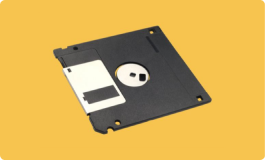
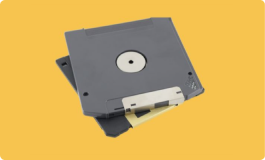







The Golden Age of Analogue Audio
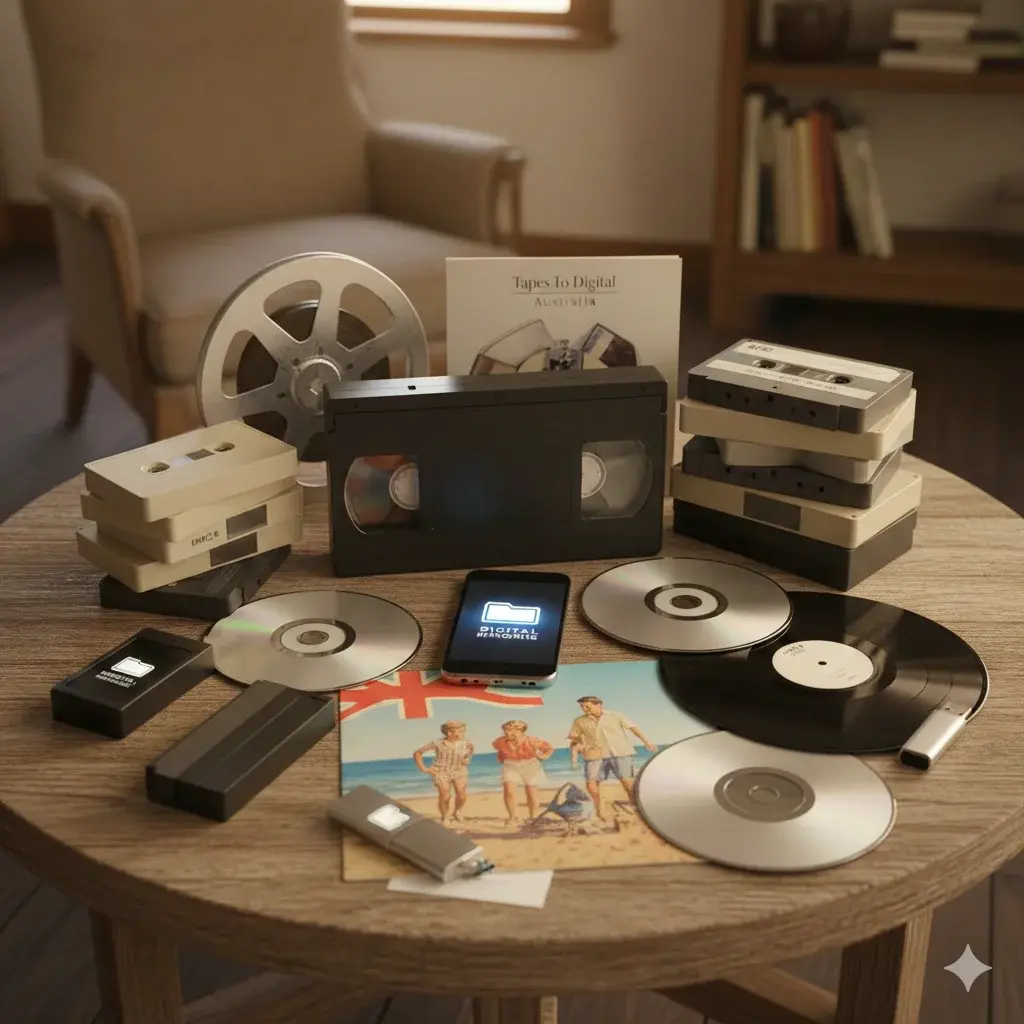
The story of home entertainment in Britain often begins with the crackle of a record player. Before the 1960s, the heavy 78rpm shellac discs were the standard, but the 1950s saw the birth of the 12-inch vinyl LP (Long Play) and the 7-inch "single." These records offered a warmth of sound that many audiophiles still crave today.
However, vinyl was hardly portable. That changed in 1963 when Philips introduced the Compact Cassette. In the UK, the 1970s and 80s were dominated by the cassette, fuelled by the arrival of the Sony Walkman. Suddenly, music was personal and mobile. We spent hours creating "mixtapes," carefully timing the recording from the radio to avoid the DJ's voice. Despite their convenience, audio tapes are prone to "hiss" and physical degradation. This is why many are now choosing to convert audio tapes to digital before the magnetic particles flake away entirely.
The Home Video Revolution: From Betamax to VHS
In the late 1970s, a "format war" broke out in UK living rooms. Sony’s Betamax offered superior picture quality, but JVC’s VHS (Video Home System) won the hearts of the public by offering longer recording times—enough to capture a full football match or a feature film.
By the mid-1980s, the VHS recorder was a staple of the British home. We used them to "time-shift" our favourite programmes or to record the most important moments of our lives: weddings, first steps, and Christmas mornings. But VHS was never meant to be permanent. The tapes are susceptible to "tape rot," dampness, and magnetic interference. If you still have a collection, it’s worth looking into VHS preservation tips to ensure they survive long enough to be converted.
The Rise of the Camcorder: MiniDV and Beyond
As technology shrunk, so did the tapes. The 1980s brought the VHS-C (a compact version of VHS) and Video8, which allowed for smaller, handheld camcorders. This sparked a "cultural revolution" of amateur filmmaking, from shaky holiday footage to local community festivals.
In the 1990s, the transition to digital began in earnest with MiniDV. Although it still used a physical tape, the information was recorded digitally, providing much higher resolution. These tapes are notoriously finicky, often suffering from "digital dropouts" where bits of the footage simply disappear. Bringing MiniDV tapes back to life requires specialist equipment to ensure the signal is captured without further loss of data.
The Digital Shift: Optical Discs and MP4
The arrival of the DVD in the late 90s signalled the end for analogue tape. With no rewinding required and instant scene access, the DVD was a revelation. It offered a "cleaner" image and didn't wear out with every playback.
However, even the DVD is now considered a "legacy" format. In 2026, many modern laptops and cars no longer feature disc drives. The evolution has moved toward file-based storage. Today, converting VHS to MP4 is the gold standard. MP4 files are flexible, future-proof, and can be shared instantly with family via WhatsApp, email, or cloud storage. Whether you prefer USB, MP4, or DVD, the goal remains the same: moving away from physical media that can decay.
Why Digitisation is the Final Step in Evolution
We have reached a point where physical media has reached its expiration date. Magnetic tape has a lifespan of roughly 10 to 25 years before significant quality loss occurs. In the UK, our damp climate can accelerate this through mould growth.
Choosing a professional VHS to digital service is about more than just convenience; it’s about rescue. Professionals use high-end decks and time-base correctors to stabilise wobbly images and enhance the footage through colour correction and noise reduction.
Why Choose Us?
At Tapes to Digital, we understand the sentimental value of your UK archives. Whether you are in London or Leeds, our expert team provides a secure, high-quality transfer service. Subject to tape condition, we ensure your family’s history is preserved for the next generation.
About Us
We are the UK’s leading specialists in media conversion. From 8mm film to vinyl records and every tape format in between, we combine vintage hardware with modern software to deliver the best possible results. Professional care is assured with every parcel sent to our studios.